Roadside Tests, Breath Tests, and Blood Tests: What Drivers in Black Forest, CO Need to Know
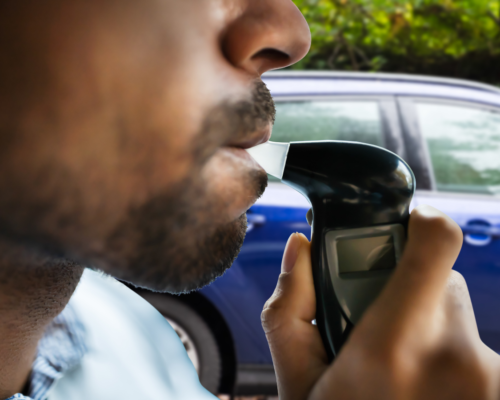
Not all DUI tests are treated the same under Colorado law. Some are voluntary. Others are mandatory. And the decisions you make in those first moments after you have been pulled over can have lasting consequences.
Timothy Bussey is a Black Forest DUI attorney. At The Bussey Law Firm, P.C., we have spent decades defending drivers against DUI charges in El Paso County.
With over 30 years of legal experience, we have a deep understanding of Colorado DUI testing laws. We know how to challenge every detail of a stop, from roadside observations to chemical test results.
The Three Types of DUI Tests in Colorado
During a DUI investigation, law enforcement may rely on three primary types of testing. Each serves a different purpose and carries different legal consequences:
- Roadside sobriety tests (field sobriety tests)
- Breathalyzer tests (breath alcohol analysis)
- Blood tests (chemical blood alcohol testing)
What Is a Roadside Sobriety Test?
A roadside sobriety test consists of a set of physical and cognitive exercises conducted on the roadside to help officers assess impairment. Common examples include:
- Walk-and-turn test
- One-leg stand test
- Horizontal gaze nystagmus (eye movement test)
In Colorado, roadside sobriety tests are voluntary. This means you can legally decline to perform them without facing automatic license suspension.
These tests are highly subjective. Officers evaluate your performance based on observations that can be influenced by:
- Uneven road surfaces
- Poor lighting conditions
- Weather in areas like Black Forest
- Medical conditions or physical limitations
- Anxiety or nervousness
Even completely sober individuals can appear impaired under these conditions. Because of this, roadside sobriety tests often become a key point of challenge in DUI defense cases.
There Are Two Types of Breath Tests in Colorado
Breath testing plays a major role in Colorado DUI enforcement. There are two types of breath tests, preliminary and evidentiary, and the differences between them are very important.
Preliminary Breath Test (PBT)
Before an arrest, an officer may ask you to take a preliminary breath test using a handheld breathalyzer.
- This test is typically voluntary
- It helps officers establish probable cause
- Results are not always admissible in court
Evidentiary Breath Test
After a DUI arrest, you may be required to take an evidentiary breath test, which is a formal breath test at a police station or testing facility.
This test is:
- More accurate than roadside devices
- Administered under controlled conditions
- Used as evidence in court
Colorado’s Express Consent Law Explained
Colorado’s Implied Consent Law (C.R.S. § 42-4-1301.1) is central to understanding DUI testing. By driving in Colorado, you automatically agree to submit to chemical testing (breath or blood) if lawfully arrested for DUI.
The Implied Consent Law applies after an arrest, not during the initial traffic stop. Once an officer has probable cause and places you under arrest, you must choose:
- A breath test, or
- A blood test
In some cases, the officer may require a blood test instead, such as when suspected drug impairment is present.
What Happens If You Refuse a Chemical Test?
Refusing a required chemical test can seriously complicate your legal defense. Refusing a chemical test after you have been arrested also triggers immediate administrative penalties, including:
- Automatic driver’s license suspension
- Longer suspension periods than a DUI conviction in some cases
- Mandatory ignition interlock requirements for reinstatement
- Use of refusal as evidence in court
What Is Blood Alcohol Testing
During blood alcohol testing, a qualified professional draws a blood sample. The sample is then analyzed in a laboratory. The results determine your blood alcohol concentration (BAC).
In Colorado, the legal blood alcohol concentration (BAC) limits are:
- 0.08% for drivers 21 and older (standard DUI limit)
- 0.05%–0.079% can still result in a charge of “DWAI” (Driving While Ability Impaired)
- 0.02% for drivers under 21 (zero-tolerance under underage drinking laws)
- 0.04% for commercial drivers
Even if your BAC is below these limits, you can still be charged if law enforcement believes your ability to drive is impaired.
Common Issues That Affect Test Accuracy
In DUI cases, testing is not always as reliable as it seems. Several factors can impact results:
Breath Test Issues
- Improper calibration of the device
- Failure to observe the driver before testing
- Residual alcohol in the mouth
- Operator error
Blood Test Issues
- Improper storage or contamination
- Delays in testing
- Chain of custody problems
- Lab errors
Medical Conditions
Certain medical issues can affect both breath and blood results, including:
- Diabetes
- Acid reflux
- Metabolic disorders
Effective Legal Defense Strategies in DUI Cases
The Bussey Law Firm, P.C., will scrutinize every aspect of your case, including any roadside, blood, or breath test. Mistakes made by law enforcement can have a significant impact on the outcome of your case.
A strong DUI defense strategy may involve:
- Challenging the legality of the traffic stop
- Questioning the reliability of roadside sobriety tests
- Identifying errors in breathalyzer administration
- Investigating blood testing procedures
- Examining whether your rights under the implied consent law were properly explained
Speak With a Trusted Black Forest DUI Attorney
When your future is on the line, having a knowledgeable defense team matters. If you are facing DUI charges, a Black Forest criminal defense lawyer at The Bussey Law Firm, P.C. will explain your rights, evaluate the details of your case, and build a solid defense strategy to protect your freedom.
Timothy Bussey holds the prestigious ACS Forensic Lawyer-Scientist designation. Colorado Super Lawyers has recognized him based on peer reviews and independent research. Mr. Bussey also received the Martindale-Hubbell Gold Client Champion Award.
Call (719) 475-2555 for a free consultation today.
Colorado DUI Testing FAQs
Can I refuse roadside sobriety tests in Black Forest, Colorado?
Yes. Roadside sobriety tests are voluntary under Colorado DUI testing laws. You can decline to perform them without facing automatic license suspension, although the officer may still decide to arrest you based on other observations.
What is the difference between a breath test and a blood test after a DUI arrest?
After an arrest, you must choose between a breath test or blood alcohol testing under Colorado’s implied consent law. Breath tests measure alcohol through your breath at a testing facility, while blood tests involve a lab analysis of your blood and are generally considered more precise.
What happens if I refuse a chemical test after being arrested for DUI?
Refusing a required chemical test triggers serious consequences, including automatic license suspension, possible ignition interlock requirements, and the refusal being used against you in court. These refusing penalties may apply even if you are not ultimately convicted.
Are breathalyzer results always accurate?
Not always. Breathalyzer results can be affected by improper calibration, operator error, or medical conditions like acid reflux. These issues can sometimes be challenged as part of a DUI defense.