Am I Required to Turn Over My Guns After a Domestic Violence Arrest?
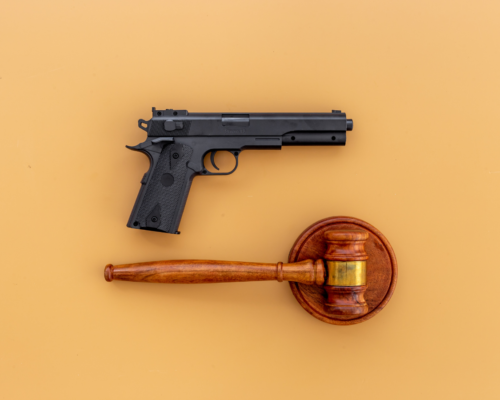
A domestic violence arrest in Colorado Springs can raise immediate questions about guns. People often want to know whether they must surrender firearms right away, whether they can keep them locked in a safe, whether a spouse or relative can hold them, and whether the restriction ends when the case ends.
The answer depends on the court orders entered after the arrest. Colorado Springs domestic violence firearm laws can involve criminal protection orders, bond conditions, civil restraining orders, Colorado’s red flag law, and federal firearm restrictions. A person may still consider a firearm personal property, but a court order may restrict possession, access, storage, transfer, purchase, or return while the case is pending.
The Bussey Law Firm, P.C., represents people accused of domestic violence in Colorado Springs and offers free consultations. A Colorado Springs domestic violence lawyer can review the protection order, bond conditions, and firearm language before a person accidentally violates a court order.
Civil Protection Orders Can Require Firearm Relinquishment
Under C.R.S. § 13-14-105.5, firearm relinquishment in a Colorado civil protection order case depends on the court’s findings and the terms of the order. If the court issues a temporary or permanent civil protection order and finds that the order involves domestic violence with the use, attempted use, or threatened use of physical force, the court must include firearm and ammunition restrictions.
These restrictions can stop you from having or buying guns or ammunition while the protection order is active. The court may also require you to give up any guns or ammunition you have, control, or can easily access. This includes guns at home, in your car, in storage, or in any shared place if you can still get to them.
The court order is what is determinative here. Even if the protected person says it is okay, or you share ownership, or you make private storage plans, you still must follow the court’s rules.
Read your order carefully. It may set deadlines, require proof that you gave up your guns, and limit how you can transfer or store them. Do not assume the order only stops you from carrying a gun in public. It may also restrict possession, access, purchases, or the possession of ammunition.
Protection Orders Can Trigger Firearm Restrictions in Colorado
Domestic violence cases in Colorado often involve a protection order early in the criminal process. A protection order may limit contact with the alleged victim, require the accused person to stay away from certain places, and impose other conditions while the charge is pending.
Restraining orders in Colorado may affect gun possession if they include domestic violence findings and gun rules. State law requires gun restrictions in some civil protection orders involving domestic violence and physical force. Depending on the order, you may have to give up guns and ammo and avoid buying or getting them while the order is active.
Protection order firearm restrictions in Colorado should be treated as separate from the person’s view of the accusation. Someone may strongly dispute the domestic violence allegation and still have to obey the protection order unless and until the court changes it. Violating the order can create a new legal problem on top of the original charge.
Here is an example. If you are arrested after an argument and released with a protection order, you may not be allowed to contact the alleged victim or have guns. Even if you bought your guns years ago and keep them locked up, the order may require you to give them up, transfer them legally, or show proof you did. Keeping the safe code, holding a key, or letting someone else in your home keep the guns without following the court’s rules can put you at risk.
Firearm Surrender Rules Can Include Deadlines, Storage, and Paperwork
Giving up your guns in a domestic violence case is more than just handing them over. The court may set a deadline for you to give up your firearms and ammunition. You may also need to provide paperwork showing where your guns went and who has them now.
Depending on the order and the available options, surrender or storage may involve:
- Law enforcement storage: Some orders may allow or require firearms to be turned over to law enforcement. The person should keep any receipts or written records provided.
- Federally licensed firearms dealer transfer: A dealer may be permitted to store or receive firearms if the process complies with applicable law and the court order allows it.
- Approved storage facility: In some cases, storage may be with a lawful facility that can document the transfer and prevent access.
- Private transfer: A private transfer may require a background check and written proof. It should never be handled casually.
- Court filings: The person may need to file an affidavit, declaration, receipt, or other proof of relinquishment by the deadline in the order.
The paperwork is just as important as giving up your guns. If you give your firearms to someone else but do not file proof, you could still have a problem. Missing the deadline, keeping access to guns in a shared home, or getting your guns back before the order ends can lead to more legal trouble.
If you live with others who own guns, you still must avoid access or control. A locked safe is not enough if you have the code or key. Always check your court order before storing guns at home.
Colorado’s Red Flag Law Can Create a Separate Firearm Issue
Colorado’s red flag law and firearms restrictions can also become part of the picture. Colorado’s Extreme Risk Protection Order process, often called an ERPO, is separate from a domestic violence criminal case. It allows certain people, including law enforcement, to ask a court to restrict a person’s access to firearms if the required legal showing is made.
An ERPO is different from a criminal protection order. A criminal protection order is linked to a criminal case. A civil protection order is linked to a restraining order process. An ERPO focuses on the claimed risk related to gun possession. These legal paths can overlap after a domestic violence arrest, but each has its own steps and results.
An ERPO can move quickly. A temporary order may be issued before a later hearing, and a longer order can last if the court finds the legal requirements are met. The order may require the person to give up guns and may also affect concealed handgun permits.
As a result, the process can get confusing. You might have a criminal case, a protection order, and an ERPO all at once. Each has its own deadlines, hearings, and paperwork. Following one order does not mean you have met the requirements of the others.
Do not assume all gun restrictions are in one document. Check each order carefully, as the court, case number, end date, surrender deadline, storage rules, and required proof may be different.
Federal Law Can Affect Gun Rights After a Domestic Violence Case
Gun rights after a DV arrest in Colorado Springs should also be reviewed under federal law. Federal firearm restrictions may apply when a person is subject to a qualifying domestic violence protection order. Federal law may also prohibit firearm possession after a qualifying misdemeanor crime of domestic violence conviction.
The details are important. Federal rules can depend on your relationship to the other person, what the offense involved, whether you had notice and a chance to be heard, and the wording of the order or conviction. Even if your case seems limited under Colorado law, you could still face federal gun restrictions if your case fits the federal rules.
This is why you need to review plea decisions carefully. You may want to avoid jail, lower the charge, or finish your case quickly. But gun restrictions can last even after your criminal case is over. Pleading to certain charges can affect your right to have guns, even if the sentence seems minor.
Restoring Firearm Rights Depends on the Case Result and Remaining Orders
Getting your gun rights back after a domestic violence case depends on what happened, whether any protection order or ERPO is still active, and if federal law stops you. A dismissed case is different from a conviction. A temporary order that ended is different from a permanent order still in effect.
Getting your guns back can also take extra steps. Law enforcement, a dealer, or a storage facility may need proof that the order is over or that you can legally have your guns again. A background check may also be required. Do not try to get, move, or possess your guns until you are sure the order is finished and you know the process.
Pay close attention to your final court paperwork. The terms of your plea, any changes to the protection order, dismissal orders, or sealing issues can all affect what happens next. Make sure you know if any restraining order or ERPO is still in place after your criminal case ends.
Talk to a Colorado Springs Domestic Violence Lawyer About Firearm Restrictions
The Bussey Law Firm, P.C., helps people accused of domestic violence in Colorado Springs understand how criminal charges, protection orders, firearm surrender rules, and court-order compliance fit together. Our criminal defense team includes a former Deputy District Attorney, a former Public Defender, and a former active-duty Air Force Judge Advocate, and Tim Bussey has earned the ACS Forensic Lawyer-Scientist Designation in Colorado. Restoring gun rights after a DV case in Colorado depends on the final case result, whether any protection order remains active, and whether state or federal restrictions still apply.
For a free consultation about a domestic violence arrest and firearm restrictions in Colorado Springs, call The Bussey Law Firm, P.C. at (719) 475-2555.