Can Motorcyclists Fail a Sobriety Test Even When They’re Sober?
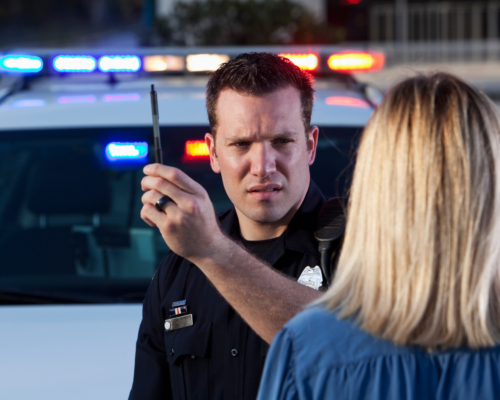
Unlike drivers in passenger vehicles, motorcycle riders face unique physical and environmental challenges that can affect balance, coordination, and roadside performance during a DUI investigation. Many motorcyclists in Colorado Springs are surprised to learn that it is possible to fail a field sobriety test even without being intoxicated.
From uneven pavement and poor lighting to heavy riding gear and physical fatigue, several factors may interfere with a rider’s ability to perform standardized field sobriety tests accurately. Unfortunately, law enforcement officers may interpret these performance issues as signs of impairment.
Timothy Bussey is a Colorado Springs motorcycle DUI defense lawyer. The Bussey Law Firm, P.C., scrutinizes every aspect of a DUI arrest, including field sobriety tests, chemical BAC test accuracy, and probable cause. We aggressively challenge the prosecution’s case, looking for opportunities to get the charges against you dismissed or reduced.
Why Motorcycle DUI Stops Are Different
Under Colorado motorcycle DUI laws, motorcyclists are generally held to the same impairment standards as other drivers. A rider may face DUI charges if they are substantially incapable of safely operating a vehicle due to alcohol or drugs, or if they are driving with a blood alcohol concentration (BAC) of 0.08% or higher.
Colorado law enforcement officers commonly administer field sobriety tests (FSTs) during roadside investigations to establish probable cause for arrest. FST exercises were primarily developed for pedestrians and passenger vehicle drivers, and not for individuals who have been riding motorcycles for extended periods under difficult conditions.
Police officers generally use three standardized tests approved by the National Highway Traffic Safety Administration (NHTSA):
- Walk-and-turn test
- One-leg stand test
- Horizontal gaze nystagmus (eye movement) test
These exercises are intended to help officers identify possible signs of impairment. But motorcycle field sobriety test cases in Colorado Springs often raise concerns about whether these tests fairly evaluate riders.
Why Motorcyclists May Fail an FST Even When They’re Sober
There are many reasons sober motorcyclists may struggle during roadside testing.
- Uneven or Sloped Terrain. Motorcycle stops often occur on road shoulders, gravel areas, hillsides, or uneven pavement. Even a sober person may struggle to maintain balance under those conditions. Yet officers may still record so-called “clues of impairment” during a walk-and-turn roadside test.
- Heavy Riding Gear. Motorcycle boots, leather jackets, gloves, and protective gear can restrict movement and flexibility. Boots designed for riding are not ideal for balancing on one foot or heel-to-toe walking exercises.
- Fatigue and Physical Exhaustion. Long-distance riding can be physically demanding. Wind resistance, vibration, concentration, and weather exposure may leave riders exhausted by the time they are stopped. Fatigue can affect balance, coordination, speech patterns, eye appearance, and reaction time. Unfortunately, officers may mistake fatigue for intoxication
- Medical Conditions and Injuries. Many riders have preexisting conditions that interfere with balance or coordination, such as knee injuries, back pain, inner ear disorders, neurological conditions, and arthritis. Even temporary soreness from riding may affect performance during roadside testing.
How Officers Are Trained to Administer Field Sobriety Tests
Law enforcement officers receive training on standardized field sobriety testing in accordance with NHTSA guidelines. The training instructs officers to look for “clues” of impairment, such as:
- Losing balance
- Missing heel-to-toe steps
- Using arms for balance
- Starting too early
- Stepping off the line
These “clues” do not automatically prove intoxication. The tests are subjective. Different officers may interpret the same performance differently. Additionally, roadside conditions often fail to meet ideal testing standards.
NHTSA guidelines generally recommend flat, dry, level surfaces, adequate lighting, and safe testing conditions. But Motorcycle stops frequently occur in conditions far removed from these recommendations.
How Attorneys Challenge Roadside Sobriety Tests
Prosecutors may rely heavily on officer observations and roadside testing, even when those tests were conducted under questionable conditions. An experienced attorney can raise important concerns regarding an FST:
- Whether the tests were administered properly
- Whether road conditions affected performance
- Whether medical conditions existed
- Whether fatigue played a role
- Whether the officer followed proper procedures
Reviewing Body Camera and Dashcam Footage
Video evidence sometimes contradicts an officer’s written report. Attorneys may use this footage to challenge subjective interpretations. For example, bodycam footage may show:
- Stable speech
- Clear coordination
- Calm behavior
- Reasonable balance under difficult conditions
Examining Officer Training and Procedures
Improper test administration may undermine the prosecution’s case. Mistakes during administration can reduce the credibility of the evidence. An attorney may evaluate whether the officer:
- Explained instructions correctly
- Demonstrated the exercises properly
- Used acceptable testing conditions
- Considered medical limitations
Speak With a Trusted Colorado Springs Motorcycle DUI Defense Lawyer
At The Bussey Law Firm, P.C., our attorneys understand the unique challenges motorcyclists face during DUI investigations. We thoroughly review police reports, bodycam footage, test procedures, and roadside conditions to identify weaknesses in the prosecution’s case.
Attorney Timothy Bussey has more than 30 years of legal experience and is one of only two attorneys in Colorado to earn the ACS Forensic Lawyer-Scientist Designation. Super Lawyers lists him based on peer reviews and independent research.
Our firm was named among the Best Car Accident Lawyers in Colorado Springs by Expertise, and Timothy was selected for the Gold Client Champion award by Martindale-Hubbell.
Call (719) 475-2555 for a free consultation and learn how we may help you pursue compensation after a serious alcohol-related crash.
FAQs About Motorcycle Sobriety Tests in Colorado Springs
Are field sobriety tests accurate for motorcycle riders?
The accuracy of field sobriety tests can be questionable when administered to motorcyclists. Many standard tests rely heavily on balance and coordination, which may already be affected by long rides, road conditions, riding boots, or physical strain. This is one reason roadside sobriety test reliability is often challenged in motorcycle DUI cases.
What happens if I fail a motorcycle field sobriety test?
Failing roadside exercises does not automatically mean you will be convicted of DUI. Field sobriety tests are only one part of the evidence in a motorcycle DUI case. Prosecutors still must prove impairment beyond a reasonable doubt, and a DUI defense attorney may challenge how the tests were administered and interpreted.
Can road conditions affect sobriety test results?
Absolutely. Sloped shoulders, gravel, poor lighting, uneven pavement, and nearby traffic can make balance tests motorcycle riders are asked to perform much more difficult. Officers are supposed to consider testing conditions, but roadside environments are not always ideal for accurate evaluations.
Can motorcycle boots or riding gear impact sobriety testing?
Yes. Motorcycle boots and protective gear may restrict movement, flexibility, and balance during exercises like the walk-and-turn or one-leg stand test. Riders may appear unstable simply because their gear was designed for safety and riding performance—not roadside balance testing.