Colorado Springs Personal Injury Lawyer Explains How Elevator Accidents Are Investigated
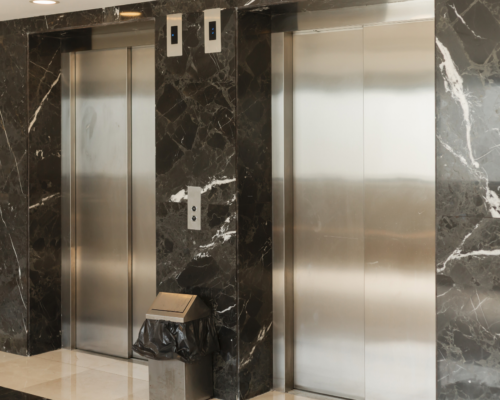
People rely on elevators every day to get from one floor to another in apartment buildings, office buildings, hospitals, government facilities, and other tall structures. These are very sophisticated machines that require regular inspections and professional service to work properly. When building owners and managers fail to provide the necessary maintenance, the consequences can be devastating.
The Colorado Springs elevator accident attorneys at The Bussey Law Firm, P.C. take a detailed approach to investigating these cases, consulting with industry experts and poring over building safety laws. That’s the best way to file an effective claim or lawsuit seeking compensation for our clients.
Why Colorado Springs Elevator Accident Cases Are So Complicated
Elevator accidents fall under a highly regulated area of premises liability law. These cases often require a deep understanding of mechanical systems, safety regulations, and maintenance obligations.
An elevator accident investigation is unique for many reasons:
- Multiple potentially liable parties
- Strict compliance requirements under building safety laws
- Technical components requiring expert analysis
- Involvement of maintenance records and inspection histories
- Potential evidence from surveillance footage or witness statements
- Coordination with engineers, safety inspectors, and industry specialists
What Causes Elevator Accidents?
Identifying the root cause is a key part of any elevator malfunction lawsuit. Elevator accidents are usually the result of preventable issues tied to maintenance failures or code violations.
Some of the most frequent causes of elevator accidents include:
- Mechanical defects in cables, pulleys, or braking systems
- Faulty door sensors or closing mechanisms
- Improper or infrequent maintenance
- Electrical failures
- Code violations or outdated equipment
Building Safety Laws and Elevator Regulations in Colorado
Colorado follows strict building safety laws for elevator operation and maintenance. These regulations often incorporate national standards, including those set by the American Society of Mechanical Engineers (ASME). Under these standards, property owners and operators must:
- Ensure elevators are regularly inspected
- Maintain accurate service and repair records
- Address known defects promptly
- Keep equipment compliant with current safety codes
Failure to meet these obligations can serve as strong evidence in an elevator injury claim. Violations of building safety laws involving elevators may demonstrate that a party failed to meet their duty of care.
Investigating Elevator Accidents
An elevator accident investigation is a detailed, multi-step process that focuses on uncovering what went wrong and who is responsible.
Securing the Scene and Preserving Evidence
One of the first steps is ensuring that evidence is preserved. Elevators may be quickly repaired or returned to service, which can make it harder to identify the cause of the accident later.
The Bussey Law Firm, P.C. can take immediate action to:
- Request that the elevator be taken out of service
- Preserve maintenance logs and inspection records
- Obtain incident reports from the property owner
Reviewing Maintenance and Inspection Records
Patterns of neglect or repeated issues can strengthen a Colorado premises liability claim. Maintenance records are often essential for determining liability. These documents may reveal whether:
- The elevator was properly serviced
- Known issues were ignored
- Inspections were missed or failed
Analyzing Compliance with Safety Codes
Our Colorado Springs Injury Attorneys and our experts review whether the elevator met required safety standards at the time of the accident. This includes evaluating compliance with ASME codes and local regulations. If violations are found, they may help establish that negligence contributed to the accident.
Gathering Physical and Digital Evidence
Evidence in an elevator malfunction lawsuit may include:
- Surveillance footage from the building
- Photos of the elevator and surrounding area
- Witness statements
- Emergency response reports
Consulting Expert Witnesses
Elevator systems are complex pieces of heavy machinery. Engineers and industry professionals will be brought in to analyze the mechanical and operational aspects of the incident.
Expert testimony can explain:
- How the malfunction occurred
- Whether proper maintenance would have prevented it
- Whether safety standards were followed
Who Is Liable for Elevator Accidents?
One or more parties may bear liability for a harmful elevator accident.
Property Owners
Property owners have a duty to maintain safe premises. If they fail to address known issues or neglect required inspections, they may be held liable under premises liability law.
Property Managers
In many buildings, property managers are responsible for overseeing maintenance and ensuring compliance with safety regulations. Their actions can play a significant role in liability.
Maintenance and Service Companies
Third-party contractors are often hired to inspect and maintain elevators. If they perform inadequate repairs or fail to identify problems, they may be liable for resulting injuries.
Elevator Manufacturers
If the accident was caused by a design or manufacturing defect, the company that produced the elevator or its components may be liable.
Filing a Wrongful Death Claim After an Elevator Accident in Colorado Springs
Filing a wrongful death claim after an elevator accident in Colorado begins with determining who has the legal right to bring the claim and building a case that shows how negligence contributed to the fatal incident. In most cases, the surviving spouse has the first right to file, followed by designated beneficiaries or heirs such as children, and in some situations, the parents of the deceased.
Families may be able to recover damages for losses such as funeral and burial expenses, lost income and benefits the deceased would have provided, and the emotional impact of losing companionship, care, and support.
Speak With a Trusted Elevator Accident Attorney in Colorado Springs
The Bussey Law Firm, P.C. has decades of experience handling complex personal injury cases, and we are prepared to help you pursue maximum compensation after an elevator accident in Colorado Springs.
Timothy Bussey is a nationally recognized trial attorney with over 30 years of legal experience. Our firm was named among the Best Personal Injury Lawyers in Colorado Springs by Expertise, and Attorney Bussey was selected for the Gold Client Champion award by Martindale-Hubbell. He is also listed by Super Lawyers based on peer reviews and independent research.
Call (719) 475-2555 today for your free consultation.
Elevator Accident FAQs
What does an elevator accident investigation involve?
An elevator accident investigation involves collecting and analyzing evidence to determine what caused the malfunction and who is responsible. This process typically includes reviewing maintenance records, inspection reports, surveillance footage, and consulting with industry professionals.
What types of evidence are important in an elevator injury claim?
Key evidence includes maintenance logs, inspection records, incident reports, surveillance video, and witness statements. Expert analysis is often used to explain how the elevator failed and whether safety standards were followed.
How do building safety laws affect an elevator accident case?
Building safety laws for elevators set strict requirements for inspections, maintenance, and operation. If these laws were violated, it can be used to establish negligence and strengthen an elevator injury claim.
Who is liable for elevator accidents after an investigation is completed?
Liability depends on the findings of the investigation and may include property owners, property managers, maintenance companies, or manufacturers. Determining who is liable for elevator accidents often requires examining contracts, service records, and compliance with safety regulations.