Serious Injuries Caused by Motorcycle Accidents: What Victims in Colorado Springs Need to Know
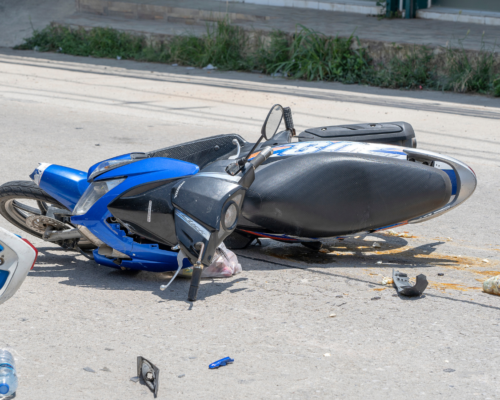
Motorcycle crashes in Colorado Springs can cause injuries that affect nearly every part of a person’s life. Riders have less physical protection than occupants of passenger vehicles, so a collision can lead to head trauma, spinal injuries, fractures, internal injuries, road rash, scarring, and permanent limitations.
The legal claim often depends on how clearly the medical evidence explains the injury and its long-term impact. The Bussey Law Firm, P.C., is a Colorado Springs personal injury firm recognized for motorcycle accident representation, and we offer free consultations for injured riders. A Colorado Springs motorcycle accident lawyer can help connect the crash evidence, medical records, and damage proof.
For help after a serious motorcycle accident injury in Colorado Springs, call The Bussey Law Firm, P.C. at (719) 475-2555 for a free consultation.
Serious Injury Claims and Damages
Colorado law allows injured people to pursue damages after a crash when another person’s negligence causes harm. In a serious injury case, the injured person must connect the crash to the injury, the injury to the medical treatment, and the treatment to the financial and personal losses being claimed. That proof is especially important when the claim includes noneconomic damages under C.R.S. § 13-21-102.5, such as pain and suffering, inconvenience, emotional stress, and reduced quality of life.
Once liability is established, several types of evidence can help show the severity of the injury and support a claim for non-economic damages:
- Medical records: Treatment records can connect the crash to the diagnosis, symptoms, treatment plan, and physical limitations.
- Scans and test results: X-rays, MRIs, CT scans, and other diagnostic tests can show the nature and extent of the injury.
- Therapy notes and work restrictions: Rehabilitation records and doctor-imposed limits can show how the injury affects movement, strength, endurance, and the ability to work.
- Wage and job records: Pay stubs, notes about missed work, letters from your employer, and job descriptions can show how your injury has changed your ability to work. These records are important if pain, limited movement, or medical appointments have caused you to miss work or change your job duties.
- Personal statements: Family, friends, coworkers, and caregivers may have unique perspectives on the effects of your injury. This can include missed sleep, trouble driving, loss of independence, or activities you can no longer do.
In Colorado, you usually have three years to file a claim after a car or motorcycle accident. This deadline doesn’t prove your case, but it does set the time you have to collect evidence, get medical records, and decide on a settlement.
Brain and Spinal Injuries Can Change the Direction of the Case
A traumatic brain injury after a motorcycle accident in Colorado may range from a concussion to a severe brain injury requiring long-term treatment. Symptoms can include headaches, dizziness, memory problems, light sensitivity, mood changes, sleep disruption, speech issues, and difficulty concentrating. These symptoms should be reported to medical providers early because delayed documentation can make the injury harder to prove.
Brain injuries can be tricky to deal with because symptoms may take a while to become apparent. That is why it is important to seek medical treatment even when initially asymptomatic. Medical records such as neurological exams, imaging, and observations from loved ones and acquaintances can be crucial to connecting a serious injury to the accident.
A spinal cord injury from a motorcycle crash can change your life. Some injuries cause herniated discs, nerve pain, weakness, numbness, or trouble moving. Others may cause partial or full paralysis. These cases often need care from specialists, medical equipment, rehab, and planning for future needs.
Your claim should cover more than just your first hospital bill. Brain and spinal injuries can affect your ability to work, live independently, get around, and may require changes to your home or long-term care. Experts can help explain what you will need in the future and how much it will cost.
Road Rash, Degloving Injuries, Fractures, and Internal Trauma
For road rash, degloving injuries, broken bones, and internal trauma, you need evidence that shows how the injury happened, what treatment you needed, and what problems you still have after emergency care.
Severe road rash trauma involves extensive abrasions, increasing the risk of infection, nerve damage, and permanent scars. Sometimes, skin grafts are needed. Photos, wound care records, and follow-up notes can demonstrate how persistent pain, sensitivity, or scarring continues to affect your life.
Skin peeling injuries often need surgery, skin grafts, reconstruction, and close infection monitoring. Your claim should explain your treatment timeline, limits during recovery, and any lasting disfigurement, pain, or movement problems.
Broken bones can have serious effects. A broken wrist, collarbone, rib, ankle, leg, hip, or facial bone can affect your grip, breathing, balance, lifting, driving, sleep, or ability to return to work. Hardware, stiffness, nerve problems, and future arthritis can also be important.
Internal injuries can be harder to prove because the damage is not always visible. Internal bleeding, organ damage, or injury to the stomach or chest may need emergency care, hospital stays, tests, and follow-up visits.
Pain journals can also be helpful. Keeping a pain journal can help your case. Write down your symptoms, doctor visits, sleep problems, limits on movement, and activities you cannot do. Keep your notes brief, honest, and in line with your medical treatment.
Catastrophic Injury Claims in Colorado Springs Often Require Expert Support
A catastrophic injury claim in Colorado Springs may involve permanent impairment, disability, long-term treatment, or major changes to daily life. These cases often require more than medical bills and a settlement demand. They may need expert support to explain how the injury will affect the rider in the future.
Your doctors can explain your diagnosis, the cause of your injury, your treatment, your limitations, and your outlook. Specialists can address surgery, nerve damage, bone injuries, brain or spinal trauma, or ongoing pain. Life care planners can estimate the cost of future care, equipment, home changes, therapy, and support you may need.
Vocational experts can look at how your injury affects your ability to work. If you cannot lift, stand, sit, travel, focus, or use certain tools, you may not be able to earn as much as before. Economic experts can figure out your future lost income, lost benefits, and other financial losses.
The experts needed depend on how serious your injury is. A simple fracture may not need as much analysis as a case with paralysis, brain injury, or permanent disability. The goal is to clearly show the real cost of your injury.
Fault Allocation Can Affect Recovery After a Serious Motorcycle Crash
Colorado’s modified comparative negligence rule can affect recovery after a serious motorcycle crash. Compensation may be reduced if the rider is found to be partially at fault. Recovery may be barred if the rider is found equally or more at fault than the defendant.
Insurance companies may allege that you were speeding, failed to brake, changed lanes unsafely, or caused the crash. Evidence can help counter these claims. Police reports are useful, but may miss witness details, overlook road evidence, or rely too heavily on a single account.
Witness statements can show what happened before the crash. Crash reconstruction experts can look at speed, braking, lane position, and visibility. Photos of your motorcycle, helmet, clothes, the road, skid marks, traffic lights, and vehicle damage can also be important.
Helmet use may come up in your case. Colorado law does not require riders 18 and older to wear helmets, but insurance companies may still bring it up if you have a head injury. Your legal response should focus on what the law says, what caused your injury, and the real crash evidence.
The Bussey Law Firm, P.C., Handles Serious Motorcycle Injury Claims
The Bussey Law Firm, P.C., represents riders facing serious and catastrophic injuries after motorcycle accidents in Colorado Springs. With Colorado Super Lawyer recognition since 2012 and countless personal injury accolades, our firm understands how medical documentation, expert-supported damages, and long-term care evidence can shape a serious injury claim.
For help after a serious motorcycle accident injury in Colorado Springs, call The Bussey Law Firm, P.C. at (719) 475-2555 for a free consultation.