Did an Insurance Company Deny Your Motorcycle Accident Claim? Exploring Your Legal Options in Colorado Springs
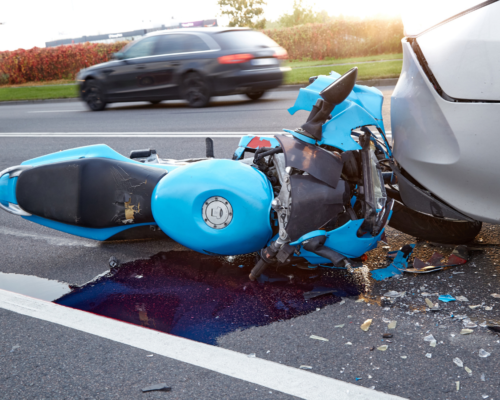
If your motorcycle accident claim was denied, it can feel overwhelming, especially when you are dealing with pain, medical bills, lost wages, and a long recovery, or your life has changed forever. Insurance companies deny claims for many reasons, such as blaming you for the crash, missing paperwork, policy exclusions, late notice, questions about your injuries, or even bias against motorcyclists.
A denial should be reviewed before the injured rider assumes the claim is over. The denial letter, insurance policy, crash evidence, medical records, and witness statements may reveal options for challenging the decision. The Bussey Law Firm, P.C., is a Colorado Springs personal injury firm recognized for motorcycle accident representation, and our firm offers free consultations. A Colorado Springs motorcycle accident lawyer can review the denial and help identify the next legal step.
For a free consultation, call us at (719) 475-2555 today.
Reasons for Denying Covered Claims In Colorado Springs
Insurance companies can investigate claims, question your evidence, and review your coverage. Colorado law limits how your own insurer can handle your benefits. If your insurer delays or denies your claim without a good reason, you may have a separate insurance dispute.
A motorcycle accident claim denied in Colorado should be reviewed by looking first at the denial letter. The letter may state whether the insurer is disputing liability, coverage, damages, medical causation, policy notice, or the amount of available benefits. That is an important distinction because each type of denial requires a different response.
There are two types of claims. A third-party claim is against the at-fault driver’s insurance company. A first-party claim is with your own insurer, like when you use uninsured or underinsured motorist coverage. Bad faith issues often come up with your own insurer, but unfair actions by the other driver’s insurer can also affect your case.
Injured riders should save every denial letter, email, claim note, repair estimate, medical bill, and voicemail. The paper trail may show whether the insurer had the information it needed or ignored evidence that supported the claim.
Insurance Companies May Deny Motorcycle Claims by Disputing Fault or Your Injuries
One reason why insurance denies motorcycle claims is that insurers may challenge the rider’s conduct before they fully account for the other driver’s choices. They may allege that the rider was speeding, changed lanes unsafely, rode in a blind spot, failed to brake, or should have been more visible.
Those arguments may leave out key facts. The other driver may have turned left across your path, failed to yield, opened a door into traffic, drifted into your lane, or followed too closely. Review the full crash evidence, especially if the denial relies on assumptions about motorcyclists.
Insurance companies may also challenge your injuries. They may claim your pain came from a pre-existing condition, your treatment was excessive, or the crash was too minor to cause the harm. Medical records, imaging, doctor’s notes, therapy records, and proof of new symptoms can help answer those claims.
Incomplete police reports can create another problem. A report may miss a witness, misstate vehicle movement, or rely on what one driver said at the scene. A denial based mainly on an incomplete report should be examined carefully.
Bad Faith Insurance in Colorado Springs May Apply in Some First-Party Claims
Bad faith insurance issues in Colorado Springs may arise when the rider’s own insurer unreasonably delays or denies payment of covered benefits. This may involve uninsured motorist coverage, underinsured motorist coverage, medical payments coverage, or another first-party benefit available under the policy.
A bad-faith claim involves more than a disagreement over money. Insurers can deny claims when they have a valid reason. Problems may arise when they ignore important evidence, delay payment without justification, overlook medical records, make an unfairly low offer, or fail to explain the decision.
It is important to know the difference between a tough insurance dispute and a possible bad faith claim. A hard negotiation can be legal. But an unreasonable denial of your covered benefits may give you more legal options.
After a denial, save all your records. Respond carefully to insurance requests. Do not give recorded statements unless you are prepared. A lawyer can help you decide if you ought to add more evidence, appeal, negotiate, or go to court.
Stronger Evidence Can Help Challenge the Denial
The process for how to appeal a denied injury claim in Colorado depends on the policy, the type of insurance involved, and the reason for denial. The first step is usually to identify what the insurer says is missing. A denial based on liability may require different evidence than a denial based on medical causation or policy coverage.
Useful evidence may include crash scene photos, motorcycle damage photos, damaged helmets or gear, witness statements, traffic camera footage, medical records, repair estimates, and accident reconstruction reports. Do not throw away damaged protective gear. It may help show the force of the crash and how the impact happened.
Your medical records should clearly connect the crash to your symptoms, diagnosis, treatment, work restrictions, and future care needs. If the insurance company claims the injury was preexisting, those records can help show what changed after the accident.
Witnesses should be identified quickly. Passengers, drivers, pedestrians, store employees, and first responders may have useful information. Memories fade, and video from businesses or traffic cameras may be deleted.
Uninsured Motorist Coverage and Comparative Fault Can Affect the Next Step
Uninsured motorist coverage for a motorcycle crash in Colorado may matter when the at-fault driver has no insurance, flees the scene, or lacks enough coverage to address the rider’s losses. Underinsured motorist coverage may also become important when the other driver’s limits are too low for the injuries involved.
A denied claim should be reviewed against the actual insurance policy. Coverage terms, exclusions, notice requirements, stacking issues, and policy limits may all matter. A Colorado insurance lawyer can check whether the insurer handled the coverage review properly.
Colorado’s modified comparative negligence rule can also affect motorcycle accident recovery. If the rider receives a percentage of fault, the recovery may be reduced by that percentage. If the rider is found equally or more at fault than the defendant, recovery may be barred.
Insurance companies may use comparative fault to try to get you to accept a low settlement. You can push back with evidence such as how vehicles moved, the road layout, speed, sightlines, braking, turn signals, lighting, and what witnesses saw.
The Bussey Law Firm, P.C. Challenges Unfair Motorcycle Claim Denials
The Bussey Law Firm, P.C., advocates for injured motorcyclists facing disputed liability, denied claims, and insurer resistance after Colorado Springs crashes. Our firm has been recognized among the Best Motorcycle Accident Lawyers in Colorado Springs, and we prepare injury claims with the expectation that unfair insurance positions may need to be challenged directly.
If an insurance company denied your motorcycle accident claim in Colorado Springs, call The Bussey Law Firm, P.C. at (719) 475-2555 for a free consultation.