
Car Accidents
What to Do After a Car Accident in Colorado Springs: 7 Legal Musts

Every year, Colorado Springs sees thousands of motor vehicle collisions—on I-25, Academy Boulevard, and even residential streets. While some crashes result in only minor property damage, others can change lives in an instant.
What the I-25 Road Rage Crash Reveals About Legal Fault in Colorado

When aggressive driving turns into a dangerous altercation on the road, the consequences can be devastating. In Colorado Springs, a recent road rage incident on I-25 has sparked concern and conversation about who bears legal responsibility in such crashes. This also poses questions of how fault is determined in these chaotic, emotionally charged situations.
Uninsured Drivers in Colorado Springs: Are You Financially Protected?

A moment that no driver wants to experience: the aftermath of a car crash in Colorado Springs. It’s even more devastating when you discover that the other driver doesn’t have insurance.
With medical bills, lost income, and vehicle damage piling up, you may be left wondering who pays when the at-fault driver can’t. The answer often lies in your own uninsured motorist coverage.
What Happens if You Wreck a Rental Car?

If you’ve suffered injuries in a rental car crash, your car accident attorney in Colorado Springs can help make sure your rights are protected and advise about the best strategy to cover your losses and maximize the compensation you’re entitled to receive.
The Most Common Things That Distract Negligent Drivers

Distracted driving accidents are alarmingly prevalent and pose significant dangers on roads worldwide. They occur when drivers divert attention from the road by texting, making phone calls, eating, or adjusting controls.
Common Injuries in Fremont County, CO Car Accidents

In the scenic landscapes of Fremont County, Colorado, the joy of driving can quickly turn into a nightmare when car accidents occur. The aftermath of such incidents often involves physical injuries that can have long-lasting consequences for the victims. At The Bussey Law Firm, P.C., we recognize the challenges individuals face when dealing with the aftermath of a car accident. On this page, we will explore some common injuries resulting from car accidents in Fremont County and shed light on the legal requirements associated with these cases.
What to Do Immediately After a Car Accident in Colorado Springs, CO

Car accidents can happen to anyone, anytime, and anywhere, including the picturesque city of Colorado Springs, Colorado. When you find yourself in such an unfortunate situation, it’s essential to know how to react promptly and responsibly. This blog post will guide you through the crucial steps to take immediately after a car accident in Colorado Springs, CO, ensuring your safety and the proper handling of the situation.
How Does Alcohol Physically Impair the Ability of Drivers?

Operating a motor vehicle is a huge responsibility. SUVs, cars, and trucks weigh thousands of pounds, and when they crash into a motorcycle, bicycle, pedestrian, or automobile, the results are often devastating.
When a driver is impaired by alcohol, their vehicle becomes a deadly weapon. Intoxicated drivers are physically and cognitively incapable of safely operating a motor vehicle and making the best decisions.
What Is a Phantom Vehicle and Why Are They So Common?

A phantom vehicle puts others on the road at risk – it has its headlights off after dark. Headlights are essential for safety from dusk to dawn. In Colorado, drivers are required by law to use their headlights between sunset and sunrise and under any other conditions, including inclement weather or when visibility is limited to less than 1,000 feet. Drivers in phantom vehicles can be cited and fined for a class A traffic infraction.
Why Amazon Delivery Drivers Rush, Endangering Us All
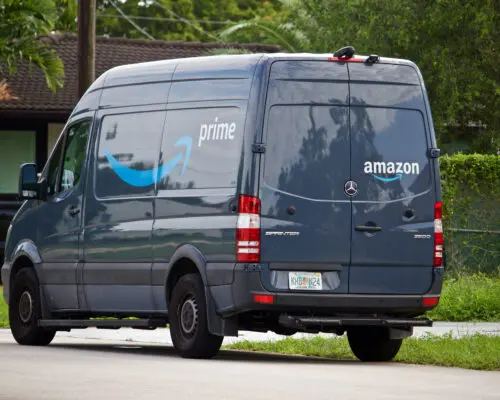
Amazon is known for its speedy delivery service. As convenient as it is to have an order placed and delivered as quickly as the next day, this benefit comes at a high cost to public safety. Every year, Amazon delivers an average of five billion packages, which translates to over 13.5 million packages daily. With so many Amazon delivery trucks on the road in a hurry to meet their deadlines, we all face an increased risk of accidents and injuries.