How Lawyers Use Dash Cam and Surveillance Video to Strengthen Car Accident Claims in Teller County Co
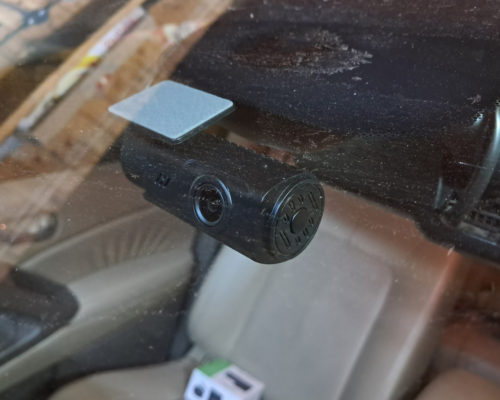
A single piece of video footage can change the outcome of a car accident case. In Teller County, where accidents may occur on steep grades along Highway 24, near Divide, or in the winding stretches outside Woodland Park, there might be not be any independent eyewitnesses.
Timothy Bussey is an experienced Teller County car accident lawyer. At The Bussey Law Firm, P.C., we take proactive measures to secure the best available evidence before it disappears. In many cases, that means locating and preserving surveillance footage car accident claim evidence before it is deleted or overwritten.
Below, we explain how video evidence strengthens claims, how Colorado law makes it especially important, and what you should do immediately after a crash.
Video Evidence and Modified Comparative Negligence
Colorado follows a modified comparative negligence system under C.R.S. § 13-21-111. Under Colorado comparative negligence law. That means you can still recover damages as along as you are less than 50% at fault, but your recovery will be reduced by the amount of fault you are assigned.
Insurance companies will often attempt to unfairly assign blame to injured drivers so they can deny claims and reduce settlement offers. When fault is disputed, dash cam or surveillance footage can prevent an insurer from unfairly shifting blame.
Your Teller County personal injury attorney can use video evidence to
- Clarify right-of-way disputes
- Confirm speed and lane position
- Show traffic signal phases
- Capture sudden lane changes
- Document weather or road conditions
How Lawyers Obtain and Preserve Surveillance Footage
Video evidence is not automatically saved. Most commercial surveillance systems overwrite recordings every 7 to 30 days. Some dash cam systems record in continuous loops, deleting older footage within hours. An experienced car accident lawyer acts quickly to preserve evidence.
Spoliation Letters
A spoliation letter is a formal notice demanding preservation of specific evidence. When we identify potential surveillance footage car accident claim sources, such as:
- Gas stations
- Retail stores
- Traffic monitoring agencies
- Nearby residences
Subpoenas
If a business refuses to provide footage voluntarily, your attorney may issue a subpoena requiring production.
Subpoenas ensure access to:
- Surveillance recordings
- Maintenance logs
- Traffic signal timing records
Protecting Your Claim After a Collision
Evidence preservation begins at the scene. Here’s what you can do:
- Check for Dash Cams
- Confirm whether your vehicle or the other vehicle has a dash cam.
- Ask witnesses if they have cameras.
- Photograph Nearby Businesses
- Look for cameras mounted on gas stations, stores, or residences.
- Take photos of camera locations.
- Request Law Enforcement Documentation
- Officers sometimes note nearby cameras in their reports.
- Save Your Own Footage Immediately
- Remove the memory card if safe to do so.
- Backup files to multiple locations.
- Avoid Posting Online
- Do not upload footage to social media before speaking with counsel.
- Contact a Car Accident Lawyer Quickly
- Early legal involvement ensures spoliation letters are sent before footage is erased.
Speak With a Trusted Teller County Car Accident Attorney Today
The Bussey Law Firm, P.C. offers free consultations to discuss your case and evaluate potential evidence sources. We act quickly to preserve evidence in Teller County car accidents and strengthen your position in any insurance dispute car accident claim.
The Bussey Law Firm, P.C. received the Martindale-Hubbell Client Champion Gold Award, and we’ve won millions for accident victims.
Call (719) 475-2555 to learn more today
Frequently Asked Questions
How does Colorado comparative negligence law make video evidence more valuable?
Under C.R.S. § 13-21-111, Colorado follows a modified comparative negligence rule. If you are found less than 50% at fault, you may recover damages (reduced by your percentage of fault). If you are 50% or more at fault, you cannot recover compensation.
Insurance companies often attempt to assign partial blame to injured drivers. Video evidence can counter those arguments and play a crucial role in proving fault in Colorado auto accidents. A clear recording may prevent an insurer from unfairly inflating your percentage of fault.
How do lawyers obtain surveillance footage after a crash?
Surveillance footage is often deleted within days or weeks unless preserved quickly. An experienced car accident lawyer may:
- Send spoliation letters demanding preservation of footage
- Contact nearby businesses with exterior cameras
- Request traffic signal recordings
- Issue subpoenas if necessary
Acting quickly is critical. Many surveillance systems automatically overwrite older recordings, which can permanently eliminate valuable evidence in a surveillance footage car accident claim.
Can video evidence be used in court?
Yes, but it must meet admissibility standards under Colorado personal injury evidence rules. To use video in court, attorneys must:
- Authenticate the footage
- Establish chain of custody
- Demonstrate that the recording is relevant
- Show that it has not been altered
When properly preserved and authenticated, dash cam and surveillance video can be powerful evidence before a jury.
How can video help during an insurance dispute after a car accident?
In an insurance dispute car accident claim, adjusters often argue that:
- You were speeding
- You failed to yield
- You stopped suddenly
- You contributed to the collision
Video evidence can directly refute these claims. Clear footage often increases settlement leverage because it reduces uncertainty about liability. When insurers recognize that a jury would see compelling visual evidence, they may reevaluate their position.
What should I do after an accident to protect potential video evidence?
If you are physically able after a crash in Teller County, consider taking these steps:
- Check whether your vehicle or nearby vehicles have dash cams
- Photograph nearby businesses or homes with visible security cameras
- Save and back up your own dash cam footage immediately
- Request that law enforcement note possible camera locations
- Contact a car accident lawyer as soon as possible
If you were injured in a car accident, The Bussey Law Firm, P.C. offers a free consultation: (719) 475-2555.